Introduction
In the fast-paced world of small business, effective communication is the key to success. An integral part of this communication infrastructure is a reliable phone system that can meet the unique needs and challenges small businesses face.
As technology continues to advance, the market is flooded with various phone systems, making it important for business owners to choose the one that aligns with their specific requirements. In this comprehensive guide, we’ll explore the best phone systems for small businesses, considering factors such as affordability, scalability, features, and ease of use.

Understanding Small Business Needs
Before delving into the specifics of phone systems, it is necessary to understand the unique communication needs of small businesses. Unlike larger businesses, small businesses often operate on tighter budgets and require flexible solutions that can grow with them. Functions such as call forwarding, voicemail and conference calling are fundamental, while scalability and cost-effectiveness are critical factors to consider.
Traditional landline systems
While the world is rapidly moving towards digital solutions, traditional landline systems still hold their place, especially for small businesses in certain industries. Landline systems offer reliability and a sense of familiarity, making them a suitable choice for businesses with a fixed physical location. However, they may lack the advanced features and flexibility that some modern businesses require.
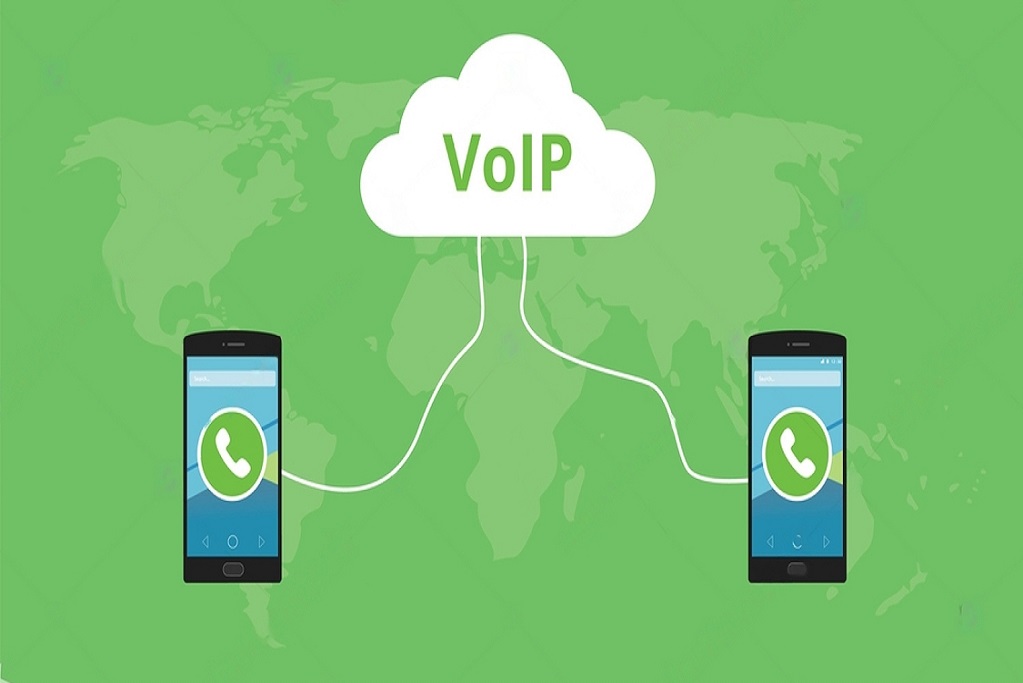
Voice over Internet Protocol (VoIP) systems.
VoIP systems have gained immense popularity among small businesses due to their cost-effectiveness and feature-rich nature. By using the internet to make calls, VoIP systems offer significant savings on traditional phone bills. In addition, they provide advanced features such as virtual receptionists, call routing and integration with other business applications. The scalability of VoIP systems makes them an ideal choice for growing businesses.
Virtual phone systems
For businesses with remote teams or those constantly on the go, virtual phone systems are a game changer. These systems operate entirely in the cloud, allowing users to make and receive calls from anywhere with an internet connection. Virtual phone systems often have features like auto attendant, call routing and mobile apps, giving businesses the flexibility they need in today’s dynamic work environment.

Unified Communications (UC) Systems.
In an age where communication channels are diverse, small businesses benefit from unified communications (UC) systems that integrate various communication tools into a single platform. These systems combine voice, video, messaging and collaboration tools, optimizing communication and boosting productivity. UC systems are especially beneficial for businesses with remote or dispersed teams.
Factors to consider when choosing a phone system
Choosing the right phone system for a small business involves considering many factors. Affordability, scalability, and feature sets are critical, but it’s also important to evaluate the service provider’s reliability, customer support, and ability to integrate with other business tools. Security is another critical consideration, especially for businesses that handle sensitive information.
Top phone systems for small business
7.1. RingCentral:
- RingCentral is a leading player in the VoIP space, offering a comprehensive suite of communication tools suitable for small businesses. With features like call management, group messaging and video conferencing, RingCentral provides a scalable solution that can adapt to a growing business.
7.2. Grasshopper:
- Known for its simplicity and ease of use, Grasshopper is a virtual phone system designed for small businesses and entrepreneurs. It offers features such as a virtual receptionist, voicemail to email, and the ability to make and receive calls from a business number on personal devices.
7.3. 8×8:
- 8×8 is a UC platform that combines voice, video, chat and contact center solutions. It is suitable for small businesses looking for a unified communication system that can enhance collaboration and efficiency. With a user-friendly interface, 8×8 is known for its reliability and flexibility.
7.4. Ooma Office:
- Ooma Office is a VoIP solution tailored for small businesses, offering features such as virtual receptionist, call extension and call forwarding. Ooma provides cost-effective design and hardware solutions, making it an attractive choice for budget-conscious entrepreneurs.
Conclusion
In the ever-evolving small business communication landscape, choosing the right phone system is a critical decision. Whether they choose traditional landline systems, embrace the flexibility of VoIP, leverage virtual phone systems, or embrace unified communications, small businesses must align their choice with their unique needs and growth trajectory. By understanding the landscape of available options and evaluating key factors, entrepreneurs can make informed decisions that enhance communication, collaboration, and overall business success.