
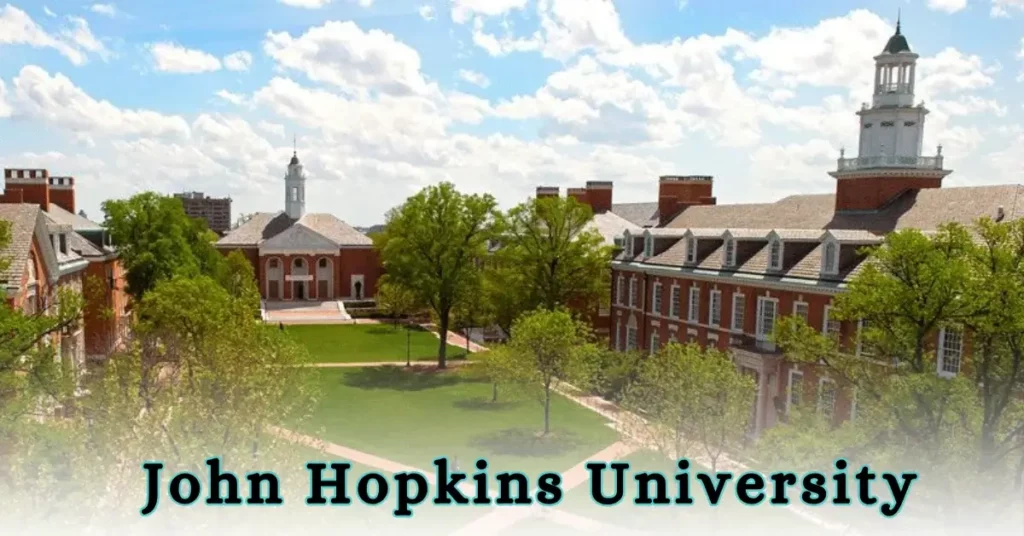
Johns Hopkins University, located in Baltimore, Maryland, is one of the most prestigious institutions of higher education in the world. Founded in 1876, it was the first research university in the United States, and its impact on the fields of medicine, public health, engineering, and the social sciences is unparalleled. Known for its commitment to interdisciplinary collaboration and innovative research, Johns Hopkins continues to lead global academic advancements and produce future leaders in various fields.
This article provides an overview of Johns Hopkins University, its history, academic programs, research contributions, campus life, and its legacy as a hub for education and healthcare excellence.
- Introduction: The Prestige of Johns Hopkins University
Johns Hopkins University was founded with the goal of advancing knowledge and serving humanity through research and education. The university has upheld this mission for over a century and has grown into an institution that consistently ranks among the best universities in the world. It is renowned for its rigorous academic programs, cutting-edge research, and global leadership in fields such as medicine, engineering, and the sciences.
The university’s dedication to integrating research with teaching has led to groundbreaking discoveries and innovations that have had a profound impact on global health, technology, and society. Students at Johns Hopkins are not only educated in their respective fields, but they are also encouraged to actively contribute to research that shapes the future of science and medicine.
- History: A Tradition of Innovation and Impact
Founded in 1876 with a generous endowment from philanthropist Johns Hopkins, the university was designed to combine rigorous academics with research. It became the first American university to adopt the German model of research education, which emphasized original research and advanced study. This model set the stage for a transformative approach to higher education that influenced universities around the world.
Johns Hopkins University was instrumental in the development of modern research universities in the U.S. and remains a pioneering force in education. Its historical contributions to the fields of medicine, public health, engineering, biology, and international relations have helped define the trajectory of these disciplines.
- Academic Programs: A Wide Array of Disciplines
Johns Hopkins University is made up of several prestigious schools and divisions, each offering world-class programs in a wide variety of fields. The university’s commitment to interdisciplinary learning allows students to pursue cross-disciplinary studies, and its research-driven curriculum ensures students engage in real-world applications of their academic knowledge.
Krieger School of Arts and Sciences: Offering undergraduate and graduate programs in subjects ranging from Philosophy and History to Physics and Biology, this school is the heart of the university’s humanities and natural sciences education. It is known for fostering intellectual curiosity and research excellence.
Whiting School of Engineering: Recognized for its leadership in engineering education and research, the Whiting School is home to departments like Biomedical Engineering, Computer Science, Electrical Engineering, and Chemical Engineering. The school is known for its focus on both foundational engineering principles and cutting-edge technological advancements.
School of Medicine: Johns Hopkins’ School of Medicine is globally recognized for its contributions to medical education and research. With its affiliation with Johns Hopkins Hospital, students have access to an environment that combines rigorous academic study with clinical experiences. The School of Medicine is also known for producing some of the world’s leading physicians and medical researchers.
Bloomberg School of Public Health: One of the most respected institutions for the study of public health, the Bloomberg School has been at the forefront of addressing global health challenges. It offers programs in Epidemiology, Global Health, Biostatistics, and Health Policy, among others.
Peabody Institute: Johns Hopkins is also a leader in the arts, with the Peabody Institute offering world-class programs in Music and Dance. Its conservatory is known for shaping some of the most talented musicians and artists in the world.
School of Advanced International Studies (SAIS): For students interested in global policy, economics, and international relations, SAIS offers graduate programs that prepare them for leadership positions in diplomacy, international organizations, and global business.
- Research Excellence: A Driving Force at Johns Hopkins
Research is at the core of Johns Hopkins University’s mission. The university is widely regarded as one of the world’s leading research institutions, with faculty and students contributing to groundbreaking studies across various fields. Johns Hopkins is a leader in biomedical research, engineering, environmental science, social sciences, and more.
Johns Hopkins operates over 50 research centers and institutes, such as the Applied Physics Laboratory, Kimmel Cancer Center, and the Johns Hopkins Institute for NanoBioTechnology. These centers focus on some of the most pressing global challenges, from fighting infectious diseases to developing advanced technologies for space exploration.
One of the most notable aspects of Johns Hopkins is the university’s ability to turn research into real-world solutions. For instance, its School of Medicine played a pivotal role in the development of the first successful liver transplant and stem cell therapy techniques, revolutionizing the medical field.
- Global Impact: Johns Hopkins’ Contributions to Society
Johns Hopkins’ commitment to solving global challenges is reflected in its extensive involvement in international development, public health, and social justice initiatives. The Bloomberg School of Public Health, for example, has been a leader in tackling issues such as epidemics, chronic diseases, and health disparities.
The university also has a strong presence in the fields of global security and international diplomacy. Through its SAIS program, Johns Hopkins prepares future diplomats and international leaders to address complex geopolitical issues and contribute to the advancement of global peace and cooperation.
Its research hospitals and partnerships with global organizations, including the World Health Organization and the United Nations, ensure that Johns Hopkins continues to have a direct impact on global health and human well-being.
- Campus Life: A Vibrant and Inclusive Community
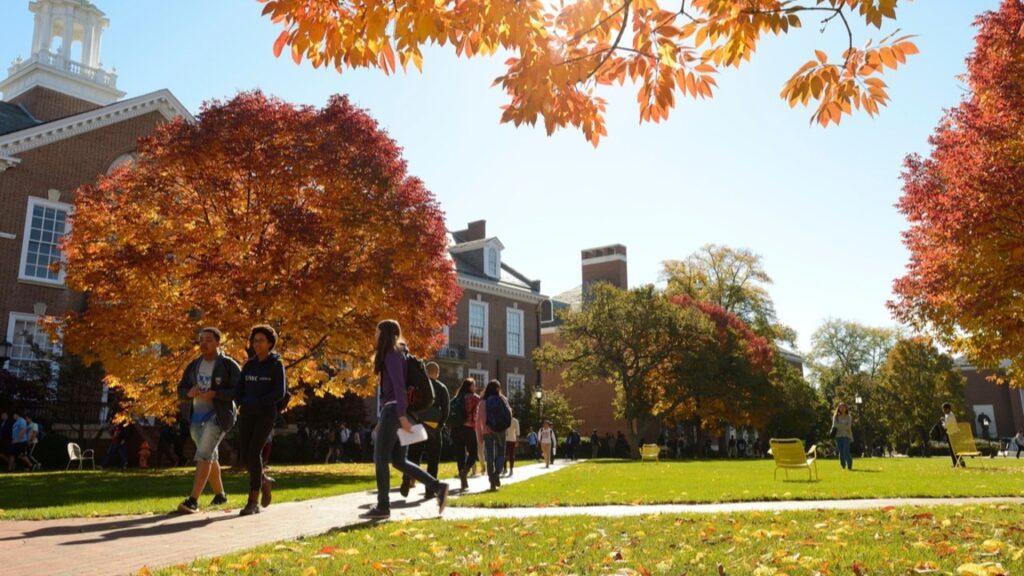
The university’s diverse campus life is an integral part of the Johns Hopkins experience. Students from around the world come together to form a community that is dynamic, inclusive, and dedicated to intellectual growth and personal development. The university’s Baltimore campus is home to over 24,000 students who are encouraged to engage in academic, extracurricular, and social activities.
Johns Hopkins University provides a wealth of student organizations, including academic societies, arts and culture clubs, political groups, and community service initiatives. The university also promotes a culture of wellness, offering a variety of sports facilities, fitness programs, and outdoor spaces for students to unwind and stay active.
- Interdisciplinary Collaboration: Fostering Innovation
Johns Hopkins is known for its commitment to interdisciplinary collaboration, where students and faculty from different fields work together to solve complex problems. This spirit of collaboration is a key feature of Johns Hopkins’ academic programs, which encourage students to engage with and learn from other disciplines.
For example, the Johns Hopkins Medicine department works closely with the Whiting School of Engineering to develop new medical technologies, such as robotic surgery and biomedical devices. This culture of interdisciplinary research allows students to apply their academic knowledge to real-world problems in a way that fosters innovation and creative solutions.
- Admissions: A Highly Selective Process
Admission to Johns Hopkins University is highly competitive. The university seeks students who are not only academically exceptional but also demonstrate a passion for research, leadership, and contributing to their communities. Prospective students must submit standardized test scores (such as the SAT or ACT) along with their application, personal essays, letters of recommendation, and a portfolio (for certain programs).
Johns Hopkins University values diversity and seeks to admit students from various backgrounds who will thrive in its rigorous academic environment. The admissions process is holistic, taking into account academic achievements, extracurricular involvement, and personal character.
- Alumni Network: Lifelong Connections and Success
Johns Hopkins University boasts an impressive alumni network, with graduates who are leaders in their fields worldwide. From medicine and public health to business and government, Johns Hopkins alumni have made a significant impact in a variety of professions. The university’s alumni network provides valuable resources for students and graduates, including career support, mentoring, and networking opportunities.
Some of the most notable alumni include Woodrow Wilson (28th U.S. President), J. Robert Oppenheimer (physicist), Neil deGrasse Tyson (astrophysicist), and Michael Bloomberg (business magnate and philanthropist).
- Conclusion: A Legacy of Excellence and Innovation
Johns Hopkins University continues to be a world leader in education, research, and innovation. Its commitment to academic excellence, groundbreaking research, and solving global challenges makes it one of the most prestigious institutions in the world. Through its diverse academic programs, collaborative research initiatives, and vibrant campus life, Johns Hopkins prepares its students to become the next generation of leaders, innovators, and changemakers.
Whether you’re interested in pursuing a degree in the arts, sciences, engineering, or medicine, Johns Hopkins offers unparalleled opportunities for students to learn, grow, and make a lasting impact on the world.