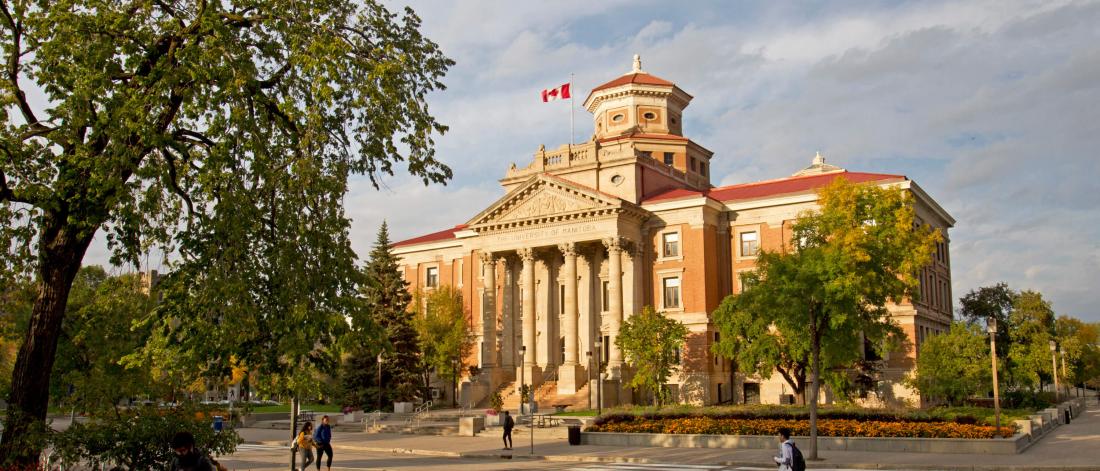
- Introduction: A Legacy of Excellence in Higher Education
The University of Manitoba (U of M) is a distinguished institution located in Winnipeg, Manitoba, Canada. Established in 1877, it is the first university in the province and has played a significant role in shaping the academic landscape of Canada. Over the years, the University of Manitoba has built a reputation as a leading educational and research institution, attracting students, faculty, and researchers from around the world. The university’s commitment to academic rigor, innovative research, and community engagement makes it a cornerstone of higher education in the region.
In this article, we will delve into the various facets of the University of Manitoba, exploring its rich history, academic offerings, faculty excellence, research achievements, and the vibrant campus life that makes it a hub of intellectual and cultural activity. Whether you are an aspiring student, a researcher, or simply interested in learning more about one of Canada’s top universities, this article will provide valuable insights into what makes the University of Manitoba a global leader in education.
- A Rich History: The Foundation of a Prestigious Institution
The University of Manitoba was founded in 1877, originally established to meet the growing educational demands of a rapidly developing province. The creation of the university was a significant milestone in the history of Manitoba, providing local students with access to higher education without having to travel far from home. At the time of its founding, the university was affiliated with several institutions, but it quickly grew into a self-sustaining entity that would serve the academic needs of the region.
Over the years, the University of Manitoba has undergone numerous transformations, including the expansion of its programs, the construction of state-of-the-art facilities, and the recruitment of world-class faculty. Despite its expansion, the university has always remained deeply connected to its roots in Manitoba, with a strong focus on addressing local challenges while contributing to global knowledge and understanding.
The university’s history is marked by numerous achievements and milestones, including the establishment of graduate programs, the development of innovative research initiatives, and the founding of various academic departments that continue to shape the academic landscape of the university. The University of Manitoba’s long-standing commitment to quality education has made it a leader in both teaching and research.
- Academic Excellence: A Commitment to Rigorous Education
The University of Manitoba offers a wide range of undergraduate, graduate, and professional programs, making it one of the most diverse institutions of higher learning in Canada. With over 100 undergraduate programs and more than 50 graduate programs, students have the flexibility to pursue academic paths that align with their interests and career aspirations. The university is organized into several colleges and faculties, each of which offers specialized programs and courses in a variety of disciplines.
U of M is particularly renowned for its strong programs in the fields of agriculture, engineering, health sciences, and business administration. The university’s commitment to academic excellence is evident in its highly regarded faculty, state-of-the-art research facilities, and interdisciplinary approach to learning. Students are encouraged to engage in critical thinking, problem-solving, and collaborative projects that prepare them for success in their careers.
In addition to its rigorous academic curriculum, the University of Manitoba places a strong emphasis on experiential learning. Students have opportunities to engage in internships, co-op programs, research projects, and study-abroad experiences that enrich their academic journey and help them gain valuable real-world skills. The university’s focus on practical application ensures that graduates are well-equipped to excel in their respective fields.
- Research Excellence: Shaping the Future of Knowledge
At the heart of the University of Manitoba’s mission is its commitment to research excellence. The university is one of Canada’s leading research institutions, consistently ranking among the top universities in the country for research output and impact. U of M is home to world-class researchers who are engaged in cutting-edge work across a wide range of fields, from health and agriculture to environmental sustainability and Indigenous studies.
The university’s research strengths are particularly evident in areas such as agricultural sciences, engineering, medicine, and environmental studies. For instance, the university’s Faculty of Agricultural and Food Sciences is known for its groundbreaking work in sustainable agriculture, while the Rady Faculty of Health Sciences is at the forefront of medical research, particularly in the areas of cancer, diabetes, and neuroscience.
U of M’s research culture is built on collaboration, both within the university and with external partners, including government agencies, industry, and other academic institutions. The university’s researchers are actively engaged in addressing some of the world’s most pressing challenges, such as climate change, food security, public health, and social justice. The university’s research centers and institutes provide a collaborative environment where students, faculty, and researchers work together to develop innovative solutions and contribute to global knowledge.
- Faculty: Leading Experts in Their Fields
One of the defining features of the University of Manitoba is its distinguished faculty. The university attracts some of the brightest minds in academia, including internationally recognized experts who are leaders in their fields. The faculty members at U of M are not only committed to providing quality education but also to advancing knowledge through research and innovation.
U of M’s faculty is diverse, with members who bring a wide range of expertise and experiences to the classroom. Professors at the university are often involved in groundbreaking research and are committed to mentoring students, helping them succeed both academically and professionally. The close relationship between faculty and students fosters an environment of collaboration and intellectual curiosity, allowing students to engage in meaningful discussions, research projects, and academic exploration.
In addition to their teaching and research duties, faculty members at the University of Manitoba are also involved in various community outreach programs and professional organizations. Their commitment to service extends beyond the university, as they work to make a positive impact in their respective fields and communities.

- Campus Life: A Thriving Community
The University of Manitoba is home to a diverse and vibrant campus community. With more than 29,000 students from across Canada and around the world, U of M provides a rich cultural and intellectual environment where students can engage in a variety of extracurricular activities. The campus is home to a wide range of student organizations, clubs, and events, which foster a sense of belonging and community among students.
Whether participating in cultural celebrations, volunteering for community service projects, or taking part in leadership development programs, students at the University of Manitoba have countless opportunities to enrich their university experience. The campus also boasts state-of-the-art facilities, including recreational centers, libraries, dining halls, and student lounges, where students can relax, study, and connect with their peers.
The university’s commitment to diversity is reflected in its inclusive campus culture, where students of all backgrounds and identities are welcomed and supported. Programs aimed at promoting diversity and inclusion, such as the Indigenous Student Centre and the International Centre, help foster a sense of community among students from different cultural backgrounds.
- Indigenous Education: Respecting Culture and Heritage
The University of Manitoba is deeply committed to Indigenous education and fostering a greater understanding of Indigenous cultures and knowledge. The university’s dedication to reconciliation is reflected in its programs, research initiatives, and partnerships with Indigenous communities across Manitoba and beyond. U of M is home to one of the largest Indigenous student populations in Canada, and it offers specialized programs that support the academic success and well-being of Indigenous students.
The university’s Indigenous student support services, including the Indigenous Student Centre and various mentorship programs, provide resources and a sense of belonging for Indigenous students. The university also offers Indigenous-focused academic programs in fields such as Indigenous studies, social work, and health, which aim to address the needs and concerns of Indigenous communities.
In addition to its academic offerings, the University of Manitoba is committed to engaging with Indigenous communities and fostering partnerships that promote cultural understanding, social justice, and community development. Through research initiatives, the university works to address the unique challenges faced by Indigenous peoples while respecting and preserving their cultural heritage.
- International Students and Global Perspectives
The University of Manitoba is a global institution, attracting students from all corners of the world. With a diverse student body that includes individuals from over 100 countries, the university provides a dynamic and international learning environment. International students at U of M benefit from a supportive community and a range of services designed to help them adjust to life in Canada.
Through international partnerships and exchange programs, U of M students have the opportunity to study abroad, gaining valuable global perspectives and building connections with peers and academics from other cultures. The university’s commitment to global engagement ensures that students are prepared to succeed in an increasingly interconnected world.

- Financial Aid and Scholarships
The University of Manitoba is committed to making education accessible to all qualified students, regardless of their financial background. The university offers a range of financial aid options, including scholarships, grants, and bursaries, to help students offset the costs of tuition and living expenses. U of M also offers work-study programs and student loans to ensure that financial challenges do not prevent students from pursuing their academic goals.
In addition to university-wide financial aid options, the University of Manitoba has numerous departmental scholarships and awards for students pursuing specific fields of study. These scholarships recognize academic excellence, community involvement, and leadership potential, helping to support students in their educational journey.
- Conclusion: A Bright Future at the University of Manitoba
The University of Manitoba stands as a beacon of excellence in education, research, and community engagement. With its rich history, diverse academic offerings, commitment to research innovation, and vibrant campus life, U of M provides students with the tools and resources they need to succeed in their academic and professional pursuits. Whether through its cutting-edge research initiatives, world-class faculty, or supportive student services, the University of Manitoba continues to shape the future of higher education in Canada and beyond. For anyone seeking a comprehensive, challenging, and enriching university experience, the University of Manitoba offers the perfect opportunity to grow, learn, and thrive.