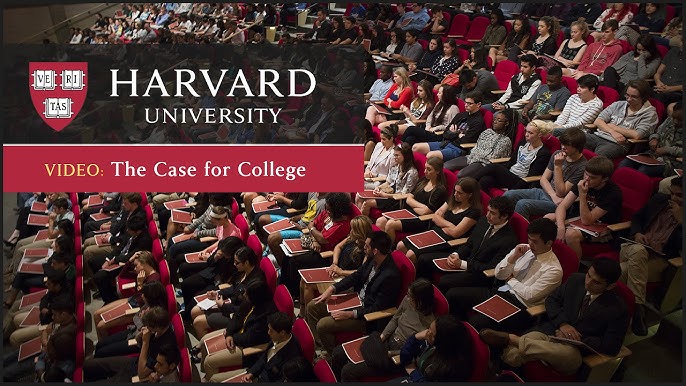
- Introduction: The Legacy of Harvard University
Harvard University, established in 1636, stands as one of the oldest and most prestigious institutions of higher education in the world. Located in Cambridge, Massachusetts, it has long been regarded as a leader in the fields of education, research, and innovation. Throughout its more than 380 years of history, Harvard has shaped the world’s intellectual landscape and continues to inspire students and scholars globally.
As the birthplace of numerous Nobel laureates, groundbreaking research, and political leaders, Harvard University offers an environment that fosters the pursuit of knowledge and intellectual development. With its renowned faculty, rigorous academic programs, and vast network of alumni, the university provides an unparalleled educational experience. This article will explore the various aspects of Harvard University, from its rich history to its contributions to academia, its diverse programs, and the global impact it continues to make.
- The History of Harvard University
Harvard University was founded in 1636 by the Massachusetts Bay Colony, making it the oldest institution of higher education in the United States. The university was initially established to train clergy, but over time, its mission expanded to include a broader range of academic disciplines. Harvard’s name honors John Harvard, a young minister who bequeathed his library and half of his estate to the university upon his death in 1638.
Throughout its history, Harvard has been at the forefront of American education. The university’s early years were marked by its commitment to a classical education, influenced by European models. However, it quickly adapted to the evolving needs of society, expanding its curriculum and becoming a hub for scientific inquiry, philosophy, law, and the arts. Harvard became a center of intellectual activity and developed into a prestigious academic institution that attracted some of the greatest minds in the world.
Over the centuries, Harvard has seen monumental growth in both its size and scope. The university’s educational philosophy evolved, and it became a beacon of intellectual achievement. Today, Harvard University is recognized worldwide as a leader in higher education, influencing policy, culture, and research on a global scale.
- Harvard’s Academic Programs: A Hub of Diverse Disciplines
Harvard University offers a wide array of academic programs, making it a versatile institution for students interested in a variety of disciplines. With its undergraduate college, graduate schools, and professional schools, Harvard caters to a diverse student body that spans across disciplines ranging from humanities and social sciences to business, law, medicine, and engineering.
The Harvard College, the undergraduate division of the university, offers a liberal arts education designed to provide students with a broad and deep intellectual foundation. Students are encouraged to explore various fields, with the option to major in one of over 50 concentrations (Harvard’s version of majors). Harvard College emphasizes a flexible curriculum, allowing students to engage in cross-disciplinary learning and intellectual exploration.
At the graduate level, Harvard offers a variety of specialized programs through its schools such as the Harvard Business School, Harvard Law School, Harvard Medical School, and Harvard School of Engineering and Applied Sciences. Each of these schools is renowned for its faculty, research contributions, and global impact. For instance, the Harvard Business School is known for its MBA program, which attracts aspiring entrepreneurs and business leaders worldwide. Similarly, Harvard Law School is one of the most prestigious law schools globally, producing many influential lawyers, judges, and policymakers.
In addition to its academic offerings, Harvard provides a rich array of research opportunities. Its graduate programs are designed for students who want to dive deeper into specific fields, engaging in groundbreaking research that addresses global challenges.
- Harvard Faculty: Leaders in Their Fields
One of the most significant contributors to Harvard University’s reputation is its exceptional faculty. The university has long attracted some of the brightest minds from around the world, many of whom are leaders in their respective fields. Harvard faculty members have received numerous prestigious awards, including Nobel Prizes, Fields Medals, and Pulitzers, and many are involved in groundbreaking research that shapes the direction of their disciplines.
The faculty at Harvard is committed to not only delivering high-quality education but also advancing knowledge. Professors are highly engaged in research, and students are encouraged to collaborate with faculty members on research projects, often contributing to important discoveries in fields ranging from health care to environmental science and technology.
The faculty-student ratio at Harvard allows for personalized attention, ensuring that students are actively involved in their learning. The close-knit academic community fosters an environment where both students and professors can engage in meaningful discussions, share ideas, and collaborate on projects.
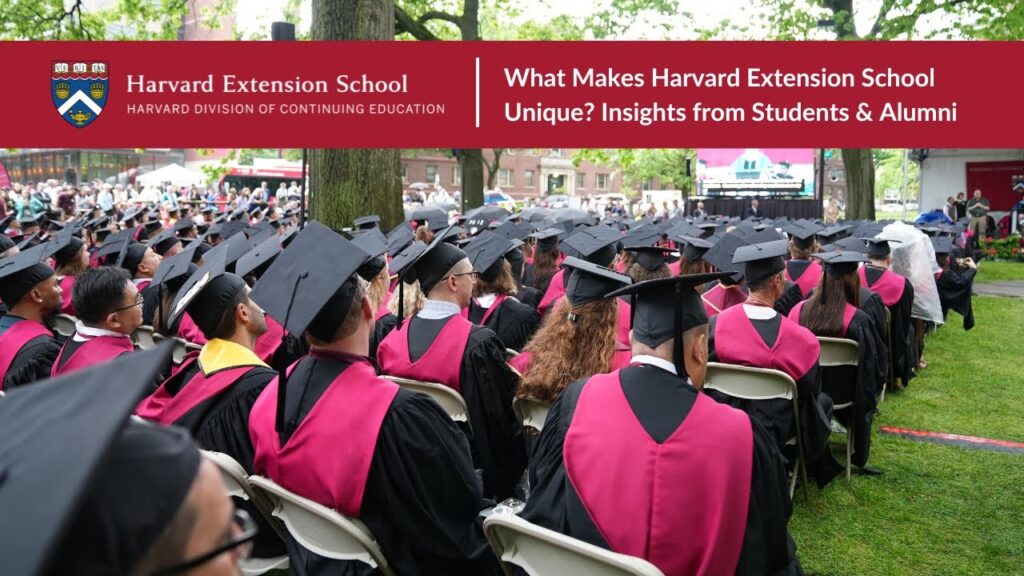
- Campus Life: A Community of Excellence and Innovation
Harvard’s campus life is marked by intellectual rigor, cultural engagement, and a sense of community. The university offers a range of extracurricular activities, from student organizations to cultural events and community service opportunities, providing students with an enriching campus experience beyond the classroom.
Harvard’s location in Cambridge, Massachusetts, places it at the heart of a vibrant city with a thriving intellectual and cultural scene. Students at Harvard benefit from the proximity to other world-class institutions such as the Massachusetts Institute of Technology (MIT), creating opportunities for interdisciplinary collaboration and intellectual exchange.
The university boasts a wide array of student clubs, including academic societies, cultural organizations, and service groups. These extracurricular activities complement academic pursuits by fostering leadership, collaboration, and civic engagement. Harvard’s residential houses, which provide living spaces for undergraduates, further contribute to the sense of community on campus, creating small-scale environments where students live, study, and interact with peers and faculty members.
Harvard also places a strong emphasis on student wellness, providing various resources to support physical and mental health. From fitness facilities to counseling services, the university ensures that students have the tools they need to succeed academically and personally.
- Harvard’s Commitment to Diversity and Inclusion
Harvard University has made significant strides in promoting diversity and inclusion within its academic community. The university recognizes the importance of creating an environment where students from diverse backgrounds can thrive. Over the years, Harvard has taken steps to ensure that students from different races, cultures, and socioeconomic backgrounds have equal access to education.
Through initiatives such as need-blind admissions, Harvard has worked to provide financial support to students, making it possible for students from lower-income families to attend the university. In recent years, the university has also implemented various programs aimed at increasing the representation of underrepresented groups in higher education, including racial minorities, first-generation college students, and students from low-income backgrounds.
Harvard’s commitment to inclusion extends beyond admissions, with programs and resources available to support students of all identities. The Harvard College Women’s Center, the Harvard Black Students Association, and the Harvard LGBTQ+ community are just a few of the many organizations that contribute to the university’s vibrant, inclusive campus culture. These initiatives foster a sense of belonging for all students, ensuring that everyone can engage in their academic and extracurricular pursuits without barriers.
- Harvard’s Research Impact: Shaping the Future
Research at Harvard University is central to its mission of advancing knowledge and addressing the world’s most pressing issues. The university is home to a vast number of research institutes, centers, and labs, many of which are at the forefront of innovation and discovery in fields like medicine, technology, economics, and environmental science.
One of Harvard’s most notable research endeavors is the Harvard Medical School, which has been responsible for groundbreaking advancements in health care and disease prevention. Researchers at Harvard Medical School are constantly working on improving global health, from developing new treatments for cancer to addressing public health challenges posed by infectious diseases.
In addition to health care, Harvard is a leader in scientific research, particularly through the Harvard School of Engineering and Applied Sciences. The school has contributed to significant technological advancements, including work in artificial intelligence, robotics, and renewable energy.
Harvard’s global impact is also seen through its collaborations with international organizations, governments, and other research institutions. Whether through projects aimed at combating climate change, advancing economic policy, or addressing human rights issues, Harvard’s research efforts have the power to shape global solutions.
- Global Reach and Harvard’s Alumni Network
Harvard University’s influence extends well beyond the United States, thanks to its robust global network of alumni. With over 400,000 alumni in more than 190 countries, Harvard has produced influential leaders in virtually every sector. Notable alumni include U.S. Presidents, Supreme Court justices, CEOs, Nobel laureates, and scholars.
This extensive alumni network plays a significant role in the professional development of current students and graduates. Through various alumni events, mentoring programs, and career services, students and graduates gain access to a vast and influential group of individuals who are eager to provide guidance and career opportunities.
The global reach of Harvard’s alumni ensures that its graduates have access to a vast array of professional opportunities across the world. Whether students are pursuing careers in business, law, politics, academia, or social impact, the support of the Harvard alumni network can open doors and create lasting connections
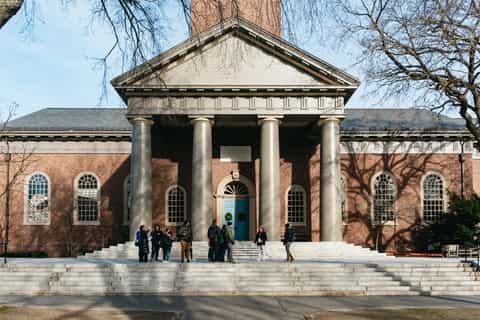
- Financial Aid and Accessibility at Harvard
Harvard University is committed to making its education accessible to students from all financial backgrounds. Through its need-blind admissions policy, Harvard ensures that students are admitted based on academic merit and potential, without regard to their ability to pay. This policy is complemented by a robust financial aid system designed to meet the full demonstrated need of admitted students.
Harvard provides one of the most generous financial aid packages in the world, with the majority of financial aid awarded in the form of grants (rather than loans). The university’s commitment to affordability means that students from low-income families can attend without the burden of crippling debt.
In addition to need-based financial aid, Harvard also offers merit-based scholarships and fellowships for graduate students. This ensures that financial limitations do not stand in the way of talented individuals pursuing their academic and professional goals at one of the world’s top universities.
- Conclusion: Harvard University as a Beacon of Excellence
Harvard University represents the pinnacle of academic excellence, intellectual growth, and innovation. With its rich history, distinguished faculty, diverse programs, and global impact, Harvard remains a leader in higher education. Whether through its groundbreaking research, commitment to diversity, or focus on student development, Harvard continues to shape the future of higher education and influence the world in profound ways.
As a hub of intellectual and cultural activity, Harvard University attracts the best and brightest minds from across the globe. For students seeking an educational experience that combines tradition, rigor, and opportunity, Harvard remains the gold standard. Whether pursuing undergraduate studies, graduate education, or professional degrees, those who attend Harvard are part of a legacy that has shaped the past, present, and future of the academic world.