Kaktovik is a small culturally vibrant city in the North Slope Borough of Alaska and is one of the last frontiers of the natural world and Iñupiat heritage. This story is inextricably linked with indigenous peoples’ traditional livelihoods of several centuries, attempts to develop the Arctic region’s resources, and contemporary environmental and economic issues. Although it is geographically small and situated far away, Kaktovik is culturally and historically rich for Alaska and the more extensive discourse on the Arctic preservation and utilization.
This article provides a great insight and detailed analysis of the history of Kaktovik, with special emphasis given to the indigenous Iñupiat people, how they impacted on it especially by embracing oil exploration which is a modern form of civilization and how the settlement/city balances between tradition and future development today.

Iñupiat People and Early History
The account of Kaktovik does not start with the time when it became an incorporated modern city in 1971. The region was originally inhabited by the Iñupiat Eskimo Indians who have endured the climate and lived in the area to this very day. Iñupiat people are a remarkable people who have always depended on the land and the sea; more specifically, the Arctic Ocean.
The village of Kaktovik is located in Barter Island and early on this island served as a ground for trade activities involving the native inhabitants from several states. Due to this location, it became a very important center for trading items such as hides, tools and things made from whales. For thousands of years the Iñupiat lived off the land and for these people subsistence fishing, hunting caribou and especially whaling provided the basis for their culture in the extremely cold region.
However, such a theme as whaling still plays an important role in the traditional life of Iñupiat. Whaling is a cultural, traditional and sustainable resource utilization activity for the people of Kaktovik. The food comes from muktuk, oil from the whale is used in the light source and as fuel, bones are used to create tools, and skin is sewn into clothing and clothing for other things as well, The hunt also has severe religious meaning where community bonds are created and culture is expressed. However, even in contemporary society, Kaktovik still claims that whaling is an important part of its lives.
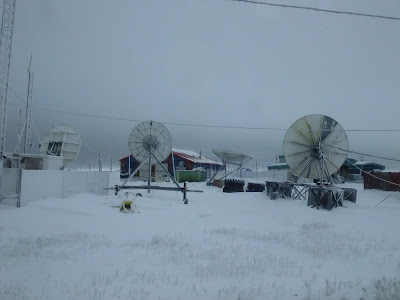
Barter Island: Arctic Alaska: a Trading Hub
What makes Kaktovik’s history unique is being a trading hub on Barter Island. Known as Barter Island, it’s a name that indicates the island has been a meeting place for the indigenous people of Alaska’s Arctic region for a long time. Essential goods to survive in the Arctic would be exchanged this place between Iñupiat and other native groups.
Before colonial times, these exchanges were the major component of regional economies, because hunting communities traded whale hunting products like oil and meat for tools, clothing and other items that were difficult to obtain on their own. This trading system was so essential to the region’s isolated geography, to the lives of those local in its population.
Barter Island was also a point of interest during early European exploration of Alaska due to explorers and traders’ discovery of the trade networks of the area. Kaktovik and Barter Island may have been isolated, but Kaktovik and Barter Island’s role in the regional economy was integral to its larger scheme.
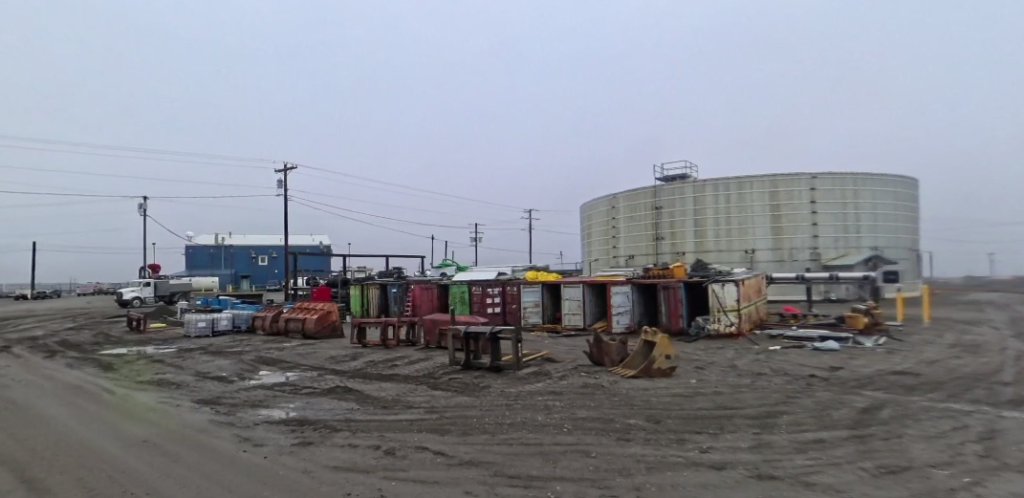
20th Century: The Discovery of Oil, and its impact on Kaktovik
In the 20th century, things changed dramatically for Kaktovik with the discovery of oil near the nearby Prudhoe Bay area in 1968. Oil companies started looking at whether oil could be extracted from the North Slope region that had such massive oil reserves, which encouraged a surge of economic interest in the Arctic.
The Prudhoe Bay oil field west of Kaktovik is by far the largest oil field in North America. Its discovery provided economic opportunities but also environmental concerns — especially where Kaktovik has a stronger set of cultural and spiritual ties to the land and sea. Kaktovik’s small Iñupiat community was at the center of that conversation because of growing interest in Arctic oil exploration.
Alaska native claims settlement act of 1971 (ANCSA 1971).
The passage of the 1971 Alaska Native Claims Settlement Act (ANCSA), a landmark law, brought Kaktovik much as it brought many other Alaskan towns. The design of ANCSA was to resolve long standing issues involving indigenous land claims in Alaska. The legislation opened other parts of Alaska to oil exploration while allowing Alaska Natives to keep ownership of major portions of their ancestral lands.
Kaktovik’s Iñupiat community was affected in two major ways: First they won legal title to some of their traditional land, giving them a certain degree of say over what happened to their territory. Second, the act called further attention to the Arctic National Wildlife Refuge (ANWR) near Kaktovik.
Since the 1970s, the ANWR debate has been one of Kaktovik defining one’s. In nationally and internationally important considerations over conservation versus resource extraction, the Iñupiat community’s relationship with the land, and particularly in relation to subsistence hunting and whaling, has been a focus of discussion.
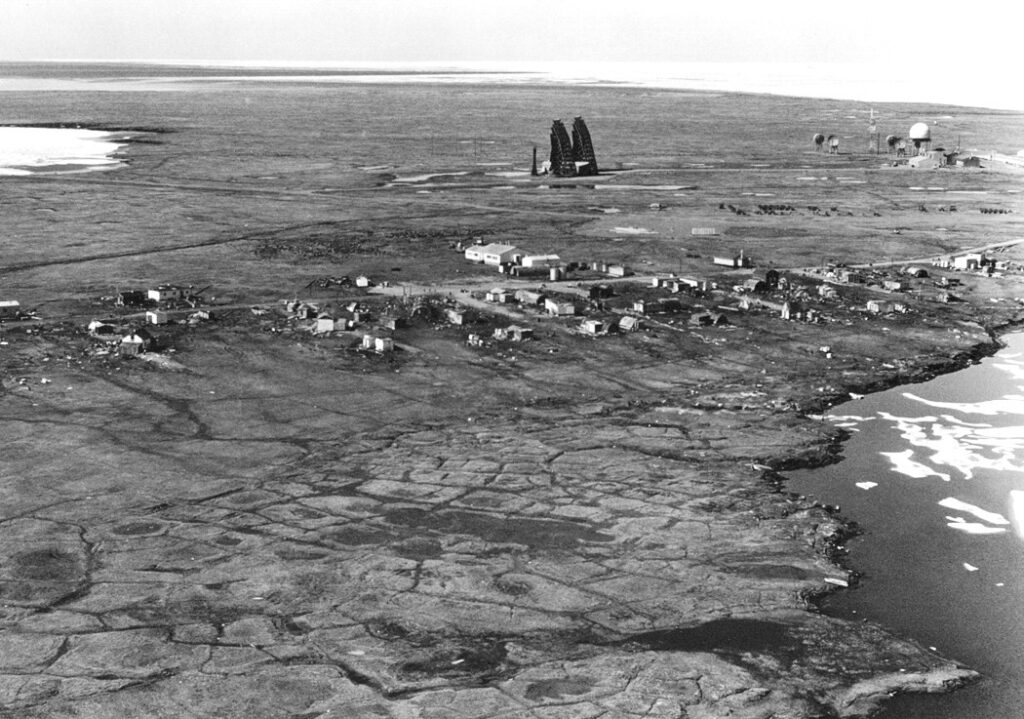
And the Arctic National Wildlife Refuge (ANWR) in Kaktovik
Kaktovik is caught in one of the longest and most heated debates surrounding the Arctic National Wildlife Refuge (ANWR), a huge protected region to the east of the city. ANWR spans more than 19 million acres and was established in 1960 and home to polar bears, caribou and migratory birds.
Kaktovik’s resting alongside the coastal plain of ANWR, the hundred two, has brought them squarely in the middle of the debate over whether to open the region to oil and gas exploration. Actually, it is believed that there is a lot of oil inside, and that it is a good environment for energy development. In fact, it is also one of the most ecologically sensitive regions in the world.
The debate over ANWR is personal for people of Kaktovik. On one hand, oil exploration promises to bring economic opportunities that will help the community with job and infrastructure advantages. But there are serious questions about how drilling might affect the bowhead whale and other subsistence resources and the Iñupiat lifestyle in general, given the high proportion of native people participating in the tradition.
Kaktovik’s residents are divided but some support responsible oil exploration if it brings benefits to the community, others say they want stronger environmental protections to protect their way of life.
Modern-Day Kaktovik: A Balancing Act: Tradition against Development
Kaktovik is today a small but vital community of little more than 250 people. It’s an amalgamation of ancient and modern, and that’s the city. Subsistence activities — such as whaling and fishing — continue to be central to life in Kaktovik, but the modern economy is impacted by tourism, the oil industry and environmental advocacy, as well.
In recent years Kaktovik has become an eco tourist and wildlife enthusiast hot spot. Located in the best part of the world to see polar bears in the wild, this town is the place to be during the fall months when the sea ice withdraws and the bears come to the beaches. So having another kind of income is a good thing for Kaktovik, but also, it raises concern about how to balance tourism with conservation, and also with local needs.
Kaktovik also remains an important player in ongoing discussions about the future of oil exploration in the Arctic at the same time. By virtue of its own unique position at the crossroads of cultural heritage and recent development, the community is also an important member of the broad discussion about the Arctic’s future and extraction of its resources.
Conclusion: Kaktovik’s Enduring Legacy
Kaktovik’s history is a marker of its people’s strength, strength to overcome changing circumstances—the arrival of European explorers, the discovery of oil or the struggle with climate change. While living with these changes, the Iñupiat community of Kaktovik has had a constant and strong connection to their cultural roots and the natural environment we depend on.
A focal point for discussions about the future of the North Slope; indigenous rights; and environmental stewardship, Kaktovik joins the debate over Arctic development and conservation. The town’s history and traditions that will inform its role in Alaska’s story for generations to come.