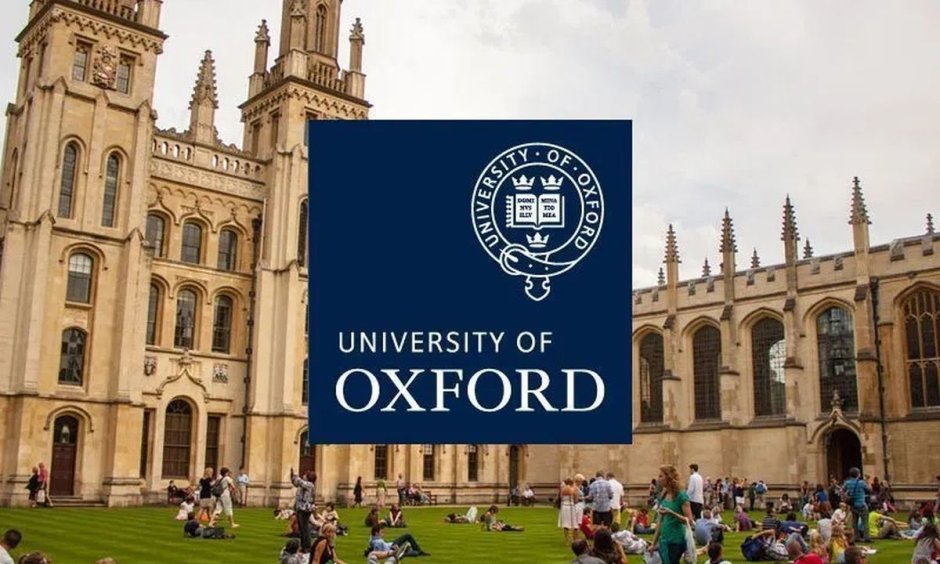
The University of Oxford is one of the oldest and most prestigious universities in the world. Located in Oxford, England, it has a rich history dating back to the 12th century and has grown into a global leader in education, research, and innovation. Oxford’s reputation for excellence in a wide range of academic disciplines, its diverse student body, and its distinguished alumni make it one of the most sought-after educational institutions in the world.
This article will explore the University of Oxford’s history, academic offerings, campus life, research initiatives, and the reasons behind its prestigious standing in global higher education.
- Introduction: The Prestige of Oxford University
Founded in the 12th century, the University of Oxford is the oldest university in the English-speaking world. It is composed of a federation of independent colleges, each with its own traditions, resources, and culture. Oxford has played an important role in shaping modern education, contributing significantly to the fields of politics, science, literature, and the arts. Today, it attracts students and faculty from around the globe who come to benefit from its world-class teaching, research facilities, and rich academic heritage.
Oxford has long been associated with leadership, intellectual excellence, and a tradition of fostering critical thinking. Its academic strength, combined with its vibrant student life and outstanding research output, ensure its place as one of the top educational institutions worldwide.
- History: A Rich and Storied Past
The University of Oxford’s history dates back to at least the 12th century, with the first known mention of the institution in 1096. Although Oxford’s exact founding remains unclear, it is widely regarded as the oldest university in the English-speaking world. The university grew steadily over the centuries, with the earliest colleges being established in the 13th century.
The university’s history is marked by numerous events, including its contribution to the development of the English language, the arts, philosophy, and science. The university has produced many of the world’s greatest thinkers, including John Locke, Isaac Newton, Stephen Hawking, and Oscar Wilde, among others. Oxford has long been a center for critical inquiry, political debate, and scientific discovery.
- Academic Programs: Excellence Across Disciplines
Oxford offers a wide range of undergraduate and postgraduate degree programs, spanning all areas of academia. Oxford is renowned for its rigorous academic standards and the excellence of its teaching. Students can choose from a broad selection of disciplines, from the humanities to the sciences, and receive a world-class education in their chosen field.
Humanities: Oxford is particularly renowned for its strengths in the humanities. Programs such as Philosophy, History, English Literature, and Classics are some of the most prestigious in the world. The university’s Faculty of English Language and Literature, for example, is one of the leading departments for the study of literature in the English language.
Sciences: Oxford’s Mathematical, Physical, and Life Sciences Division offers cutting-edge programs in fields like Physics, Chemistry, Biology, and Mathematics. It is home to world-class research, and many of the university’s graduates in science fields have gone on to make groundbreaking contributions to their respective disciplines.
Social Sciences: Oxford’s Social Sciences Division is also home to a wide range of prestigious programs in subjects such as Economics, Politics, Sociology, Law, and Anthropology. The university has a long history of producing thought leaders in politics and economics, and it is home to some of the leading experts in these fields.
Engineering and Technology: Oxford is a global leader in engineering research, offering programs in Engineering Science and related fields such as Computer Science, Electrical Engineering, and Biomedical Engineering. The university has state-of-the-art facilities and is at the forefront of research in emerging technologies like artificial intelligence and renewable energy.
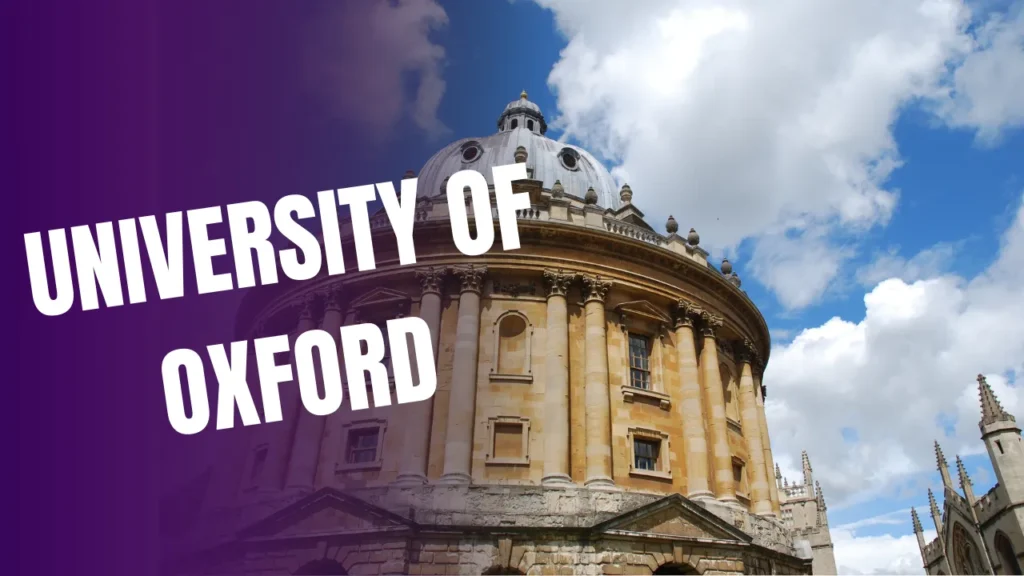
- Teaching Methodology: The Oxford Tutorial System
One of the unique aspects of an Oxford education is its tutorial system, which sets the university apart from other academic institutions. The tutorial system is an intensive form of teaching in which students meet regularly with their tutors — experts in their respective fields — for one-on-one or small group discussions.
The tutorial system allows students to engage deeply with the material, develop critical thinking skills, and gain a nuanced understanding of their subjects. Tutors provide personalized feedback, ensuring that students are challenged to think independently and push the boundaries of their knowledge. This method of teaching is one of the reasons why Oxford produces some of the most well-rounded, intellectually capable graduates in the world.
- Research: Pioneering Knowledge and Innovation
Research at Oxford is world-renowned, with the university consistently ranking at the top in global research performance. Oxford researchers make groundbreaking discoveries across a wide range of fields, from medicine and engineering to social sciences and the humanities.
Oxford is home to numerous research centers and institutes, such as the Oxford Institute for Ethics, Law, and Armed Conflict and the Oxford Centre for Islamic Studies, which facilitate collaboration across disciplines and with external partners. The university’s research output often leads to important real-world applications, such as medical advancements and policy recommendations.
One of Oxford’s most famous contributions to research is its work on vaccines. The university played a pivotal role in the development of the Oxford-AstraZeneca COVID-19 vaccine, one of the most widely used vaccines in the global fight against the pandemic. Oxford’s Medical Sciences Division is involved in numerous research projects that aim to improve human health and well-being.
- Global Influence: Oxford’s International Reach
The University of Oxford has a long-standing tradition of international engagement. As an institution with a global reach, Oxford attracts students, researchers, and faculty from all corners of the world. The university offers a number of international exchange programs and partnerships with universities around the globe.
Oxford’s international influence is also evident in its alumni network, which spans multiple generations and includes prime ministers, scientists, Nobel laureates, authors, and other influential figures in global affairs. The university’s global presence strengthens its impact on international policy, research, and education.
- Campus Life: A Thriving Community
Oxford University is home to a diverse and active student body, with students from across the globe coming together to form a vibrant community. The university is made up of 38 autonomous colleges, each with its own unique traditions and facilities. Each college provides a close-knit community for students, offering support, social opportunities, and a sense of belonging.
In addition to college life, Oxford offers numerous extracurricular activities, from sports and arts to academic societies and volunteer work. The university is home to a thriving arts scene, with students regularly engaging in music, theater, and literature. Oxford also has a strong sports culture, with rowing, cricket, and rugby being particularly popular.
Students at Oxford are encouraged to pursue their passions outside of the classroom, allowing for a well-rounded education that extends beyond academics.
- Admissions: Rigorous Selection Process
Getting accepted to Oxford is a highly competitive process. The university looks for students who not only excel academically but also demonstrate a passion for their chosen field of study. Oxford’s admission process includes written applications, interviews, and sometimes entrance exams, depending on the course.
The university places a high value on intellectual curiosity, critical thinking, and the ability to work independently. Applicants must demonstrate their potential to succeed in the tutorial system and contribute meaningfully to their chosen field.
Oxford also offers a number of scholarships and financial aid programs to ensure that students from all backgrounds have the opportunity to study at this prestigious institution.
- Alumni and Networking: Lifelong Connections
Oxford boasts an impressive and influential alumni network. The university has produced many notable figures who have shaped history, including Winston Churchill, Margaret Thatcher, Stephen Hawking, and T.S. Eliot. Graduates of Oxford often become leaders in their fields, and the university’s network of alumni provides valuable career connections, mentorship, and professional opportunities.
The university also maintains strong links with its alumni, offering opportunities for graduates to stay engaged through events, reunions, and career support services.

- Conclusion: The Timeless Appeal of Oxford University
The University of Oxford continues to be one of the leading institutions of higher education in the world. Its commitment to academic excellence, research innovation, and fostering intellectual curiosity ensures that Oxford remains at the forefront of education. With its unique blend of tradition and innovation, Oxford offers a world-class education that equips students to become leaders and pioneers in their respective fields.
For those seeking an intellectually stimulating and enriching educational experience, Oxford University stands as one of the best places to study, develop, and achieve greatness.