Introduction
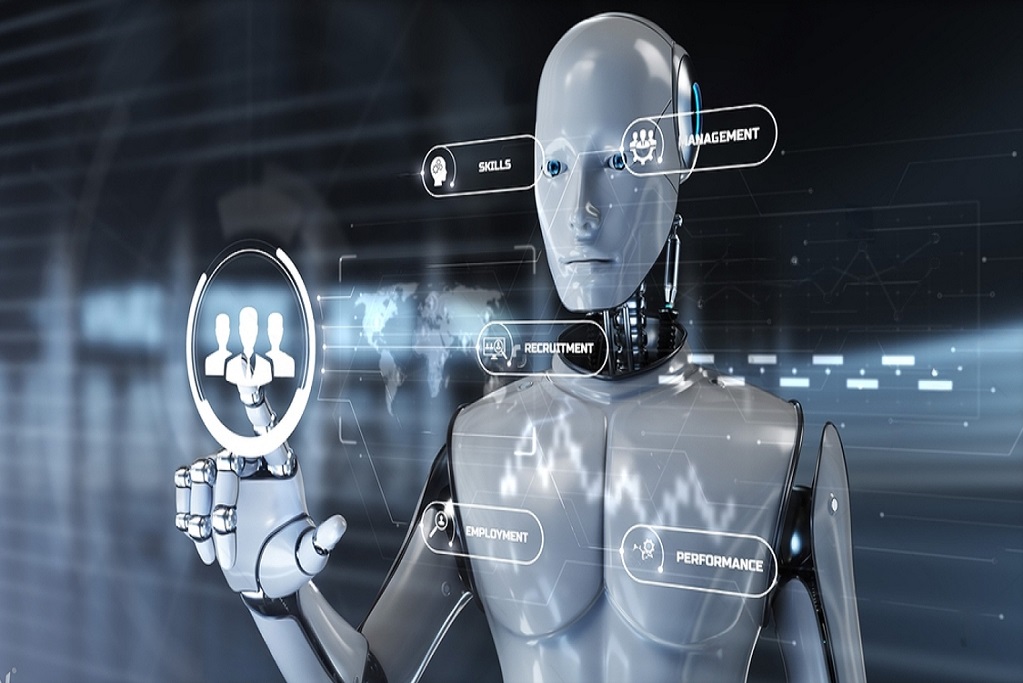
The integration of artificial intelligence (AI) is becoming a revolutionary force in the corporate world, drastically changing old methods in various fields. Previously recognized for their manual and administrative tasks, human resources (HR) departments are now leading this technological transformation.
For HR professionals looking to increase productivity, streamline processes and make more data-driven decisions, artificial intelligence (AI) is more than just a buzzword. We’ll look at the various ways AI is impacting HR departments, future talent management, and organizational success in this post.
-
-
Automated hiring processes
Automating recruitment processes is one of the most obvious effects of AI in HR. Algorithms and AI-driven technologies are used to screen applicants, review applications and even conduct first interviews. This shortens the recruitment process and guarantees a more unbiased and objective assessment of candidates, minimizing the possibility of human biases inadvertently influencing the decision-making process.
AI’s ability to identify trends and predict applicant performance from past data adds a new degree of precision to the talent acquisition process. HR managers can focus on more strategic areas of recruiting, such as business branding and candidate experience, by automating repetitive and time-consuming processes.
-
Enhanced candidate experience
Artificial Intelligence (AI) technology such as virtual assistants and chatbots have completely changed the way applicants communicate with employers. Chatbots can set up interviews, provide quick answers to questions, and help applicants through the application process. This improves the overall applicant experience and guarantees timely and reliable communication with prospective employees.
AI solutions can also customize the applicant experience, tailoring communications to each candidate’s preferences and actions. This degree of customization strengthens the company’s brand and fosters closer relationships with candidates.
-
-
-
Predictive Analytics for Employee Retention
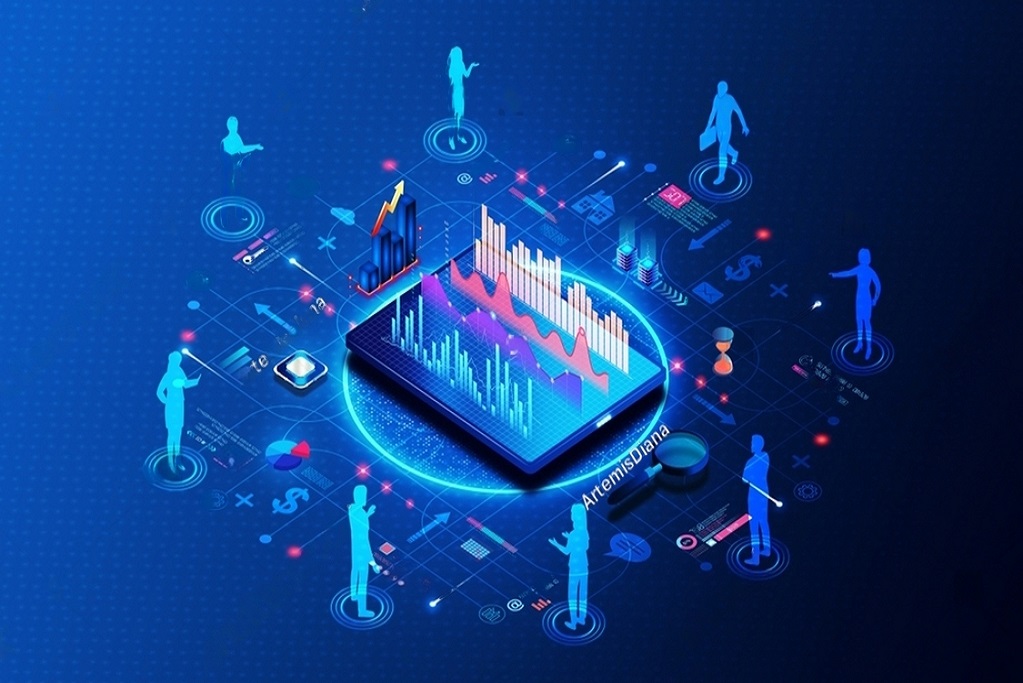
HR departments are very concerned about employee turnover and AI is proving to be a useful tool to predict and reduce this problem. AI can look at past data, employee behavior and performance indicators using predictive analytics to find trends that can indicate future attrition.
Using this information, HR professionals can devise customized development plans, coaching programs, and training initiatives, among other targeted measures, to proactively address retention issues. Organizations can cultivate a more stable and engaged staff by anticipating and resolving potential conflicts before they become more serious.
-
Skills Gap Analysis and Learning Pathways
In today’s dynamic workplace, learning never stops, and artificial intelligence (AI) is a valuable tool for identifying skill gaps in the workforce. Artificial intelligence (AI) algorithms are capable of analyzing employee skills, abilities and performance data to create specific learning paths.
HR departments can ensure that employees acquire the skills required for their roles and potential career progression by tailoring training programs to meet individual requirements. This helps the company grow and become more agile overall, while increasing employee satisfaction.
-

-
-
Performance management and feedback
As AI-driven performance management solutions are incorporated, traditional performance reviews are changing. By analyzing peer reviews, employee performance data, and other relevant variables, AI systems are able to provide real-time feedback. This enables managers and HR professionals to have a more accurate and current understanding of employee contributions.
AI can also spot patterns in employee performance, which helps HR departments identify top performers and those who might want extra help. Organizations can foster an agile, improvement-oriented culture by offering continuous feedback.
-
Diversity and inclusion initiatives
Artificial intelligence plays a key role in fostering inclusion and diversity in business. While bias in hiring and promotion processes has always been a problem, artificial intelligence (AI) algorithms can help by removing unconscious biases from decision-making.
Resumes that contain information that could be biased, such as gender, ethnicity or other factors, can be anonymized using artificial intelligence techniques. AI is also capable of monitoring and evaluating workforce data to make sure that programs that promote diversity and inclusion are being executed successfully and track their impact over time.
-
Supporting employees’ well-being and mental health
HR departments place a high priority on employee well-being, and artificial intelligence is becoming increasingly important in assisting mental health programs. In order to assess overall well-being, AI solutions can monitor employee sentiment across multiple channels, including surveys and collaborative platforms.
In addition, chatbots with natural language processing capabilities can offer immediate help and resources to employees who are stressed or burned out. HR departments can foster a more understanding and compassionate work environment by using artificial intelligence in wellness programs.
-
Data security and compliance
Human resources departments have important duties, including protecting confidential employee information and ensuring compliance with privacy laws. By using sophisticated encryption techniques, monitoring access and detecting unusual activities that could indicate a security breach, AI can improve data protection.
AI also helps HR professionals comply with ever-changing rules. Organizations can reduce the risk of legal problems and fines associated with non-compliance by automating compliance monitoring and reporting.
Conclusion
Undeniably, the integration of artificial intelligence is changing HR departments and the way businesses hire, manage and retain employees. Artificial intelligence is increasing the productivity and efficiency of HR workers in a number of ways, including automating hiring processes and promoting employee well-being.
As more businesses use these technological innovations, the HR function is changing from being mostly administrative to being a strategic partner in driving business success. The development and integration of AI technology will certainly play an important role in the future of human resource management, ushering in a new era in this field.
-